Rubber fenders are available in a variety of shapes. They absorb impact through compression, bending, and shear deformations or a combination of all three. Rubber fender systems also have the advantage of low maintenance costs and high durability. Pier mounted rubber fenders have successfully served to absorb some of the impact forces during collisions, reducing the final force on the pier and avoiding permanent damage. These improved rubber products have helped improve the efficiency of rubber based fenders for pier protection. For example, the load deflection, energy absorption, and chemical properties of laminated rubber have made them a preferred choice over virgin extruded and molded rubber for marine vessels and structures.
Existing Fender Protective Systems – Rubber Fender Systems
The rubber fender systems consist mainly of two major types, rubber-in-compression and rubber-in-shear. However, there exist some other types of rubber fender systems, such as rubber-in-torsion, lord flexible, and pneumatic.
a. Rubber-in-compression: Consists of a series of cylindrical rubber or rectangular tubes installed behind standard fender piles. Energy absorption is achieved by compression of the rubber. Absorption capacity depends on the size of the buffer and on maximum deflection. The energy-absorption capacity can be varied by using the tubes in single or double layers or by varying tube size. Simplicity and adaptability plus effectiveness at a reasonable cost are considered as advantages, whereas their initial cost is higher than a standard pile system without resilient units.
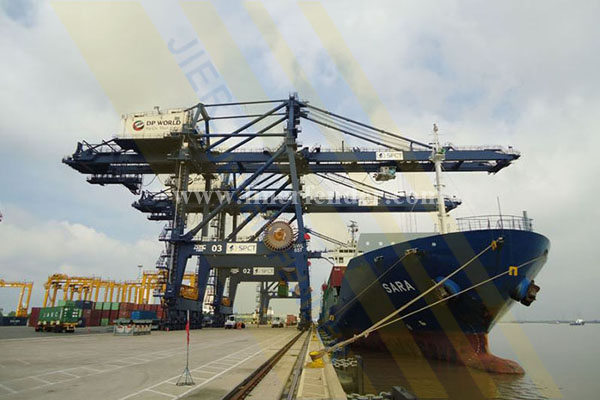
b. Rubber-in-shear: Consists of a series of rubber pads bonded between steel plates to form a series of rubber sandwiches mounted firmly as buffers between a pile-fender system and a pier. Two types of mounting units are available: standard unit or overload unit, which are capable of absorbing 100% more energy than the timber systems.

c. Rubber-in-torsion: A combination of rubber and steel fabricated in cone-shaped compact bumper form, molded into a specially cast steel frame and bonded to the steel. It absorbs energy by torsion, compression, shear and tension, but most energy is absorbed by compression.
d. Lord flexible: Consists of an arch-shaped rubber block bonded between two end steel plates. It can be installed on open or bulk head-type piers or dolphins, or incorporated with standard pile or hung fender systems. Impact energy is absorbed by bending (buckling) and compression of the arch-shaped column. The Lord flexible system maintains high energy absorption and low terminal-load characteristics. Possible fatigue and bond problems between steel plates and rubber are also observed.
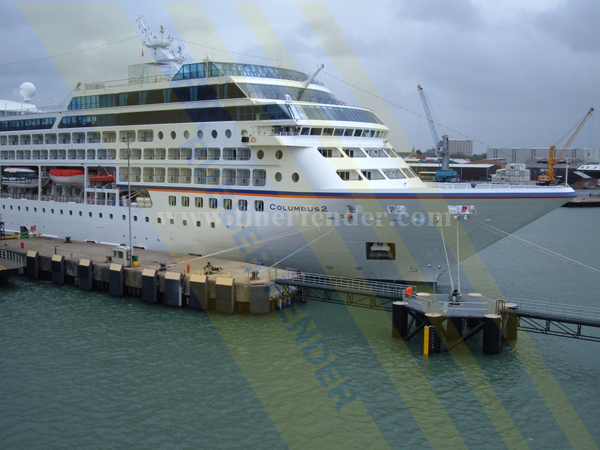
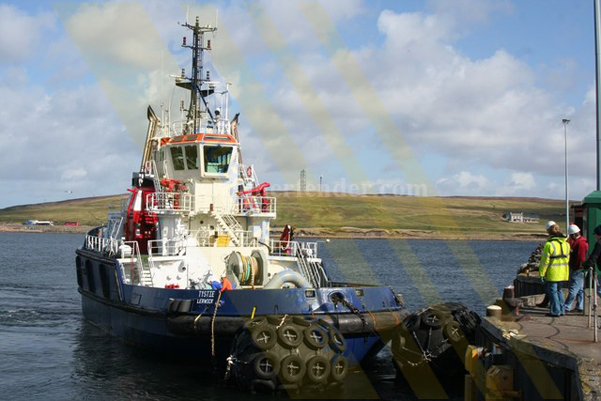
e. Pneumatic: Pneumatic fenders are pressurized, airtight rubber devices designed to absorb impact energy through the compression of air inside a rubber envelope. Energy-absorption capacity and resistance load depend on the size and number of tires used and on the initial air pressure when inflated. The pneumatic system is berthed and moored ships and requires high maintenance cost.